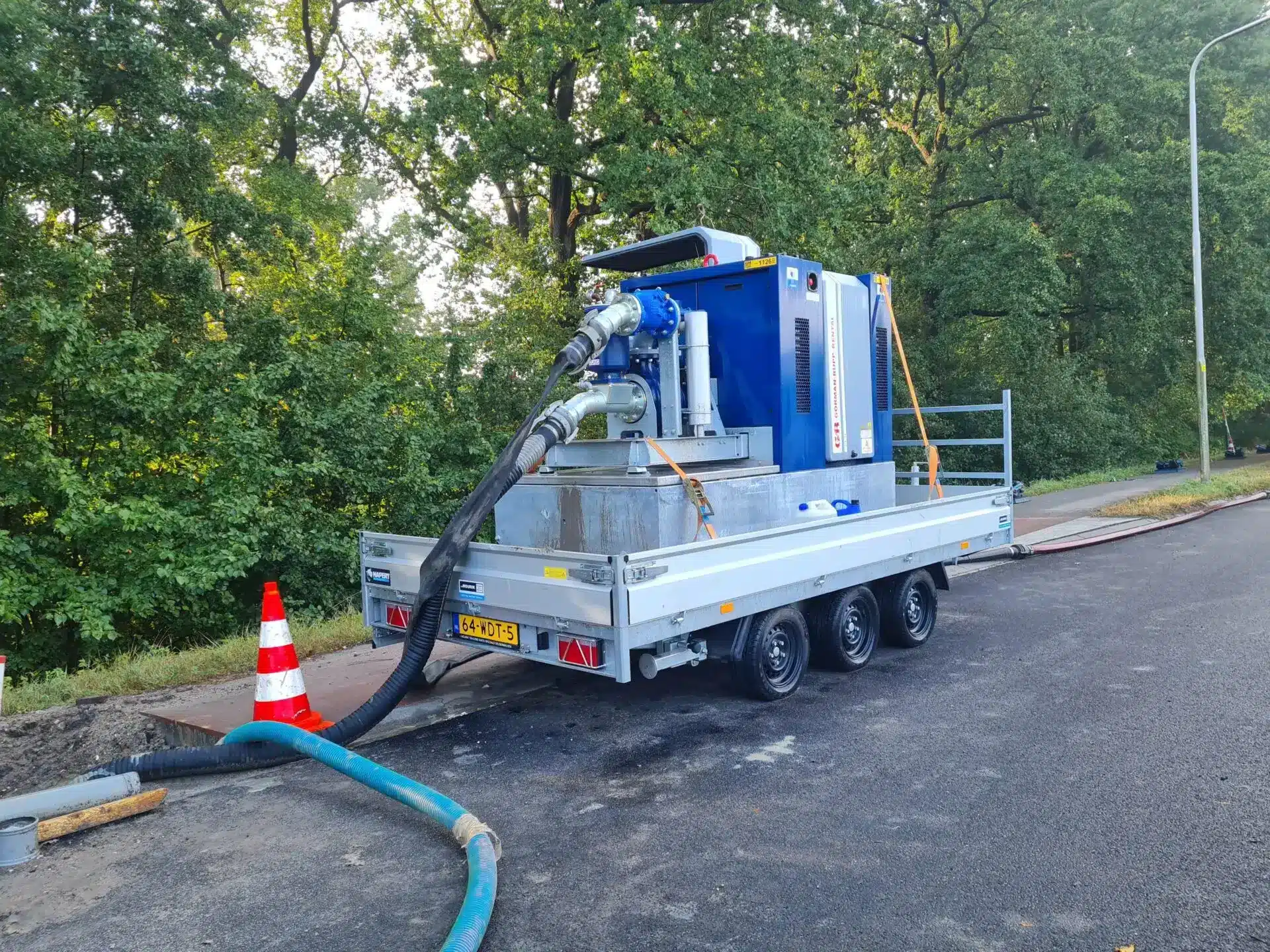
Bombas, conjuntos de bombas y sistemas de alta calidad.

Para nosotros, una bomba es más que una simple máquina

En Gorman-Rupp, las bombas no son solo máquinas, son lo que nos impulsa. Desde 1933, hemos estado ayudando a los clientes a encontrar la solución adecuada para cada aplicación.

¿Necesita ayuda para seleccionar o dimensionar una bomba? Estamos aquí para ayudarle. ¿Busca un análisis completo del sistema o soporte de coingeniería? Lo tenemos cubierto. Ofrecemos consultoría in situ, puesta en marcha y asistencia para el arranque. Y a través de nuestra Academia Gorman-Rupp, puede aumentar su conocimiento sobre bombas con formación práctica y demostraciones.

No te conformes con cualquier proveedor de bombas. Trabaja con un socio que siempre esté ahí para ayudarte, estés donde estés. Elige Gorman-Rupp.

Somos The Pump People, porque necesitas más que solo una bomba.

Una bomba para muchas aplicaciones

Bombas adaptadas a las necesidades de diversas industrias

No hay dos aplicaciones iguales, ni tampoco sus necesidades de bombeo. En Gorman-Rupp Europe, estamos especializados en proporcionar bombas adaptadas a las necesidades de múltiples industrias. Desde obras de construcción hasta gestión del agua y municipios, nuestras soluciones están diseñadas para atender con precisión y fiabilidad las necesidades únicas de diversas aplicaciones.
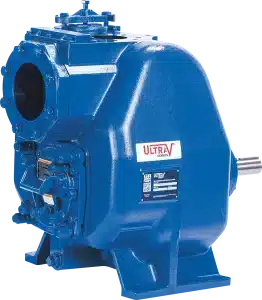
De meest geavanceerde zelfaanzuigende vuilwaterpomp, Ultra V Series van Gorman-Rupp

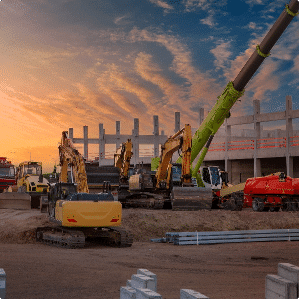
Construcción / Minería

Pompen voor de bouw en mijnbouw

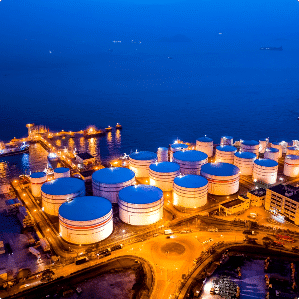
Industria

pompen voor de industrie

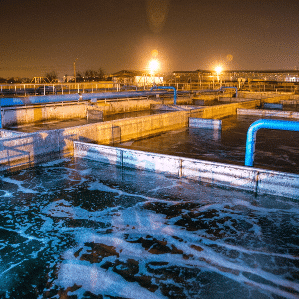
Control

sobre

Potencia

Gorman-Rupp: Más que solo bombas

Gorman-Rupp no se trata solo de bombas, sino de resolver desafíos, impulsar la tecnología y la innovación, y ofrecer soluciones fiables que resistan la prueba del tiempo. Con casi un siglo de experiencia, Gorman-Rupp ofrece más que bombas; ofrecemos una promesa de calidad, tecnología avanzada y un compromiso para trabajar en la construcción de un futuro mejor.

Calidad

En Gorman-Rupp Europe, la calidad está en el corazón de todo lo que hacemos. Cada bomba y sistema se fabrica con precisión, se somete a rigurosas pruebas y se construye para funcionar incluso en los entornos más exigentes. Desde el primer plano hasta la entrega final, nuestro enfoque en la calidad garantiza que sus operaciones funcionen sin contratiempos, de manera eficiente y sin compromisos. Cuando elige Gorman-Rupp, elige tranquilidad.

Tecnología

¡La innovación nos impulsa hacia adelante! En Gorman-Rupp, nuestras bombas están diseñadas con tecnología de vanguardia creada para mejorar la durabilidad, reducir el tiempo de inactividad y adaptarse a las necesidades cambiantes de la industria. Las soluciones de bombeo de Gorman-Rupp garantizan que sus operaciones se mantengan a la vanguardia. Durante casi 100 años, hemos estado comprometidos con la construcción de tecnologías que no solo resuelven los desafíos actuales, sino que también anticipan los del mañana, para estar siempre un paso adelante.

Sostenibilidad

En Gorman-Rupp, entendemos la importancia de soluciones de ingeniería responsables. Por eso, nos enfocamos en la sostenibilidad creando bombas diseñadas para durar, minimizando los desechos y reduciendo la necesidad de reemplazos frecuentes. Nuestros diseños duraderos ayudan a nuestros clientes a lograr una confiabilidad a largo plazo con menos recursos, para minimizar el impacto ambiental. Ya sea reduciendo el consumo de energía, gestionando los recursos hídricos de manera más efectiva o fabricando productos resistentes que soporten el paso del tiempo, trabajamos arduamente para ayudar a las industrias a alcanzar sus objetivos de sostenibilidad. Creemos que, juntos, podemos hacer una diferencia tanto para su negocio como para nuestro planeta.

También en alquiler ArchyRental.com

En Gorman-Rupp Europe, sabemos que cada proyecto es diferente. Mientras que algunos requieren una inversión a largo plazo, otros necesitan soluciones flexibles o bajo demanda. Ahí es donde entra Archy Rental.

Archy Rental ofrece bombas de alta calidad para sus proyectos cuando la compra no es la opción adecuada; ya sea para uso a corto plazo, demandas estacionales o emergencias, nuestra flota de bombas en alquiler está lista para funcionar cuando más las necesite.

Con Archy Rental, obtienes equipos de alta calidad, condiciones de alquiler sencillas y el servicio confiable de Gorman-Rupp Europe en todo momento.

Si su proyecto crece o sus necesidades cambian, estamos aquí para ayudarle a hacer la transición sin problemas del alquiler a la propiedad, asegurando que siempre cuente con la solución adecuada.

Logo van Archy Rental, verhuur van pompen en pompsets

Membresías

Noticias

Pumps for Oil & Gas: How to Choose the Right Pump Type for Each Process Step

The oil & gas value chain requires pumps that keep running with changing fluids, fluctuating suction conditions, and high requirements for safety and uptime. This article provides a practical selection guide: which pump fits exploration, processing, bulk storage, and transfer, and what to check before selecting a series or configuration.

Quick selection guide

  • Exploration and drilling sites
    Choose (wet- or dry-installed) self-priming pumps if you handle oil, drilling mud, and wastewater and need fast start-up without complicated priming procedures
  • Bulk storage and transfer
    Consider Roto Prime or 0-series pumps for clean, non-abrasive petroleum products when you want to load/unload safely and strip hoses
  • Viscous media and dosing
    Gear pumps are a logical choice when you need a constant, pulse-free flow and accurate dosing for oil, lubricants, or chemicals
  • General process water flows
    Standard centrifugal pumps are often the cost-efficient baseline choice for general applications, depending on material selection and sizing
  • Rapid deployment
    Consider a pump set if you want a complete unit that can be installed quickly, mobile or stationary

What we mean by pumps for oil & gas

Pumps for oil & gas are used across multiple phases of the value chain, from exploration and production to processing, storage, and delivery. They often need to cope with air entrainment, contamination, fluctuating flows, and sometimes viscous liquids. That is why you typically see multiple pump types operating side by side in this sector, each with its own role.

Where pumps are used in the value chain

Exploration and production

At drilling sites, self-priming solutions are used to pump oil, drilling mud, and wastewater. Self-priming is practical here because you do not need to refill manually every time the suction line drains.

Processing and utilities

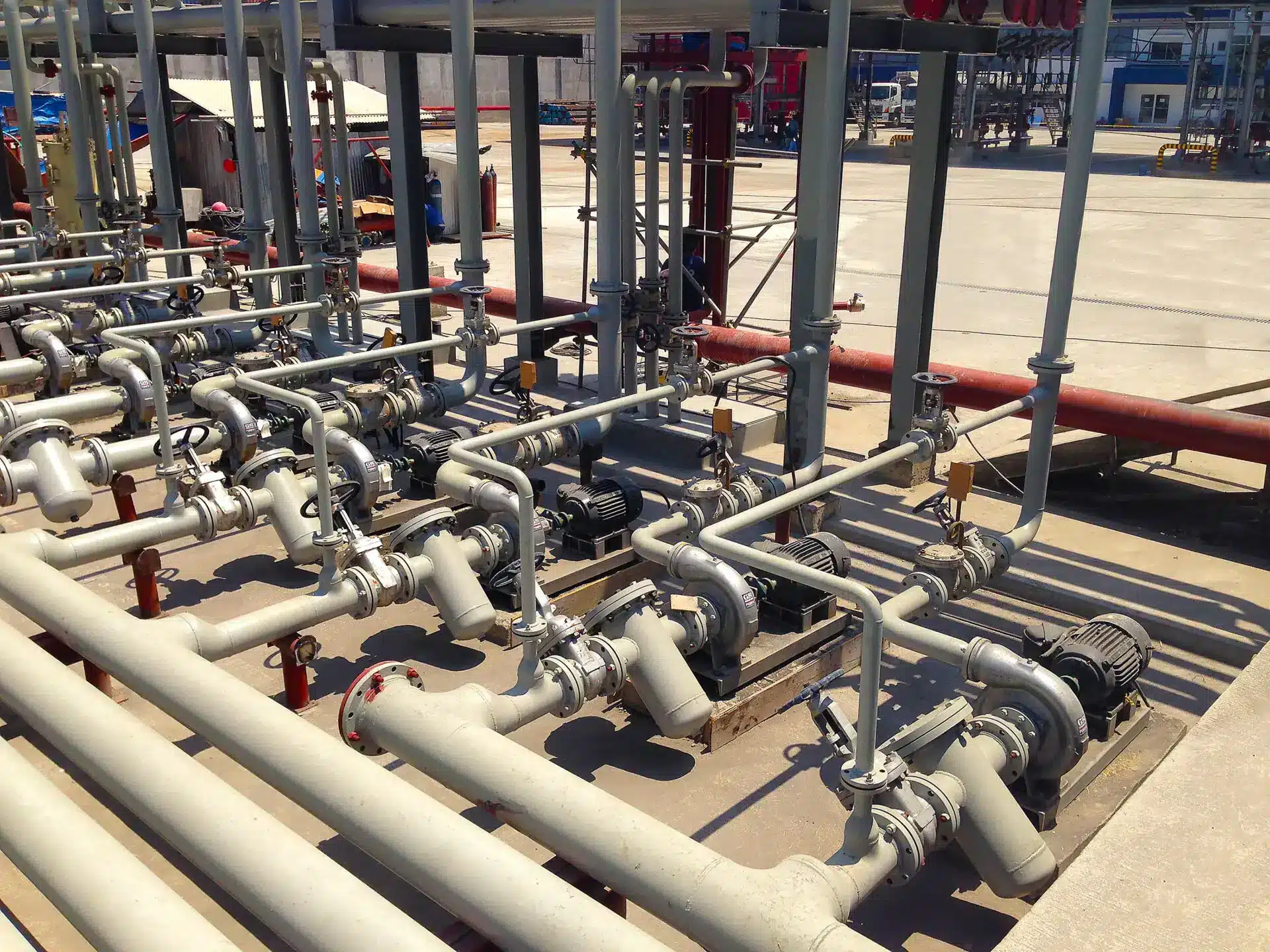
During processing, pumps are used for fluid transfer across different process steps. The best pump depends mainly on your liquid, your required flow, and the degree of contamination or air in the line.

Bulk storage, loading and unloading

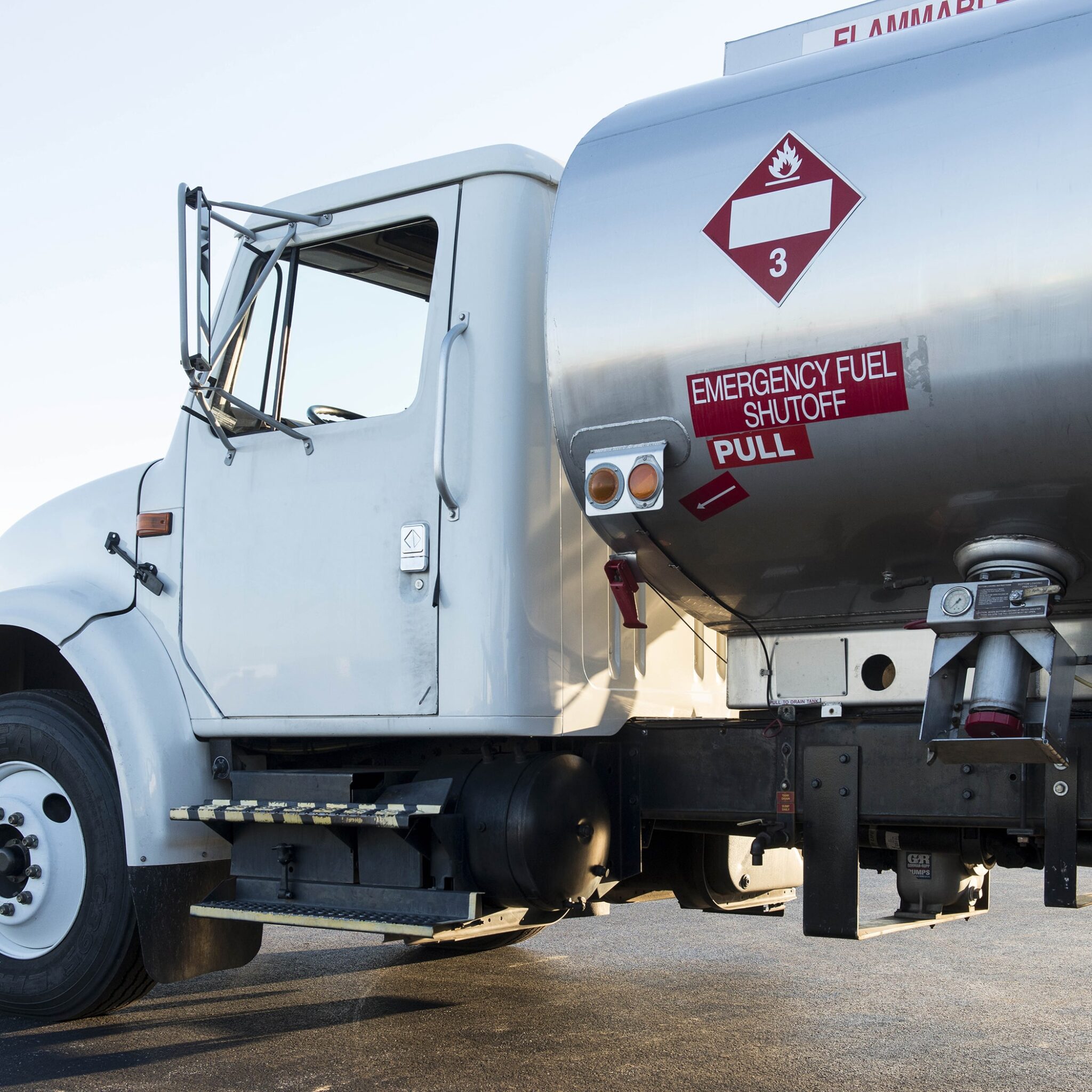
In bulk storage and when unloading railcars, Roto Prime pumps are cited as a solution for transferring oil and fuels. They are designed for clean, non-abrasive petroleum products and automatically discharge air and vapour. This is useful for loading, unloading, and stripping hoses.

The main pump types for oil & gas

1) Self-priming pumps

Self-priming pumps are designed to pump liquids that may contain air, solids, and debris. They keep working even when the suction line is empty. A further advantage often highlighted is above-ground installation, because maintenance is easier and you spend less time working in confined spaces. Common fit

  • Wastewater and process water with air entrainment
  • Situations with fluctuating suction conditions
  • Locations where maintenance must be fast and accessible

2) Dry self-priming pumps

Dry self-priming pumps automatically remove air from the suction line, enabling immediate start-up without manual priming. They are positioned as suitable for heavy-duty applications where reliability and rapid deployment matter, focusing on high flows, solids handling capability, and suction performance. Practical fit

  • Temporary setups and rapid interventions
  • Contaminated water and slurries, depending on the configuration
  • Scenarios where you do not want to lose time during start-up

Note: This category also includes Roto Prime RD and RS series designed for petroleum products, chemicals, and solvents, with automatic priming for efficient handling of fuels and chemical liquids.

3) Standard centrifugal pumps

Centrifugal pumps use rotating impellers to create a continuous liquid flow. They are often presented as a cost-efficient solution due to their simple design and limited number of moving parts. Material selection and execution determine whether they fit your medium. Practical fit

  • General pumping applications with relatively stable fluid properties
  • Process flows where simplicity and maintainability matter

4) Gear pumps

Gear pumps deliver a constant, pulse-free flow and are suitable for controlled liquid displacement. They are explicitly mentioned as a good fit for thick, viscous liquids such as oils, lubricants, paints, and chemicals. Because they operate on the positive-displacement principle, they are suitable for accurate dosing. Practical fit

  • Viscous media
  • Dosing and mixing
  • When a continuous, predictable flow is required

5) Pump sets

If you need fast deployment and do not want to build everything yourself (engine, frame, connections), pump sets are a logical route. They are positioned as fully assembled solutions in mobile or stationary configurations: electric, diesel, or battery-powered. Practical fit

  • Temporary projects, maintenance shutdowns, or turnarounds
  • Remote sites where you need to be operational quickly
  • Capacity buffer for peak demand

Selection criteria: how to avoid a misfit

Use this checklist before locking in a series or type.

Fluid and contamination

  • Is the liquid clean and non-abrasive? Then a solution like Roto Prime or 0-series fits many transfer duties
  • Does it contain air, debris, or solids? Then you are often better served by (dry) self-priming variants explicitly designed for that

Viscosity and dosing

  • Do you need to move viscous liquids or dose accurately? Then a gear pump is often the most direct match

Suction conditions and start-up

  • Can the suction line run empty, or do you have air entrainment? Self-priming prevents operational standstill due to start-up issues

Maintenance and accessibility

  • Does the pump need to be installed above ground for safer and faster maintenance? Self-priming setups are often used above ground for exactly that reason

Common mistakes with pumps in oil & gas

  1. Selecting based only on flow and pressure, while your medium, contamination, and suction conditions often determine real reliability
  2. Forgetting that transfer and hose stripping require air and vapour handling. This is exactly why Roto Prime is cited in that context
  3. Trying to run a viscous liquid on a pump not intended for constant displacement and dosing. Consider gear technology instead
  4. No plan for maintenance access. Above-ground installation can make a real difference for safety and downtime

Practical checklist: what you want defined upfront

  • Which fluid are you pumping, and is it clean, contaminated, abrasive, or viscous
  • Are there solids present, and if so, how large and how often
  • Is there air entrainment, or can the suction line drain
  • Required flow and required head
  • Fixed installation or must it be mobile
  • Maintenance approach and required access speed
  • Biggest risks: clogging, leakage, downtime, safety
  • Do you also need to include loading/unloading or hose stripping in scope

Conclusion and next step

Pumps for oil & gas are not a one-size-fits-all category. In practice, you combine pump types per process step: self-priming for sites with air and contamination, Roto Prime for clean petroleum products in transfer duties, gear pumps for viscous media and dosing, and pump sets when you need rapid deployment. If you want to map this to your situation, make a short list of your fluids, suction conditions, and your flow/head range. That lets you make a targeted selection and avoid a misfit.

FAQ about pumps for oil & gas

Which pump is suitable for loading and unloading fuels?

For transferring oil and fuels, Roto Prime pumps are mentioned, among other reasons because of automatic discharge of air and vapour, and suitability for loading, unloading, and hose stripping.

When do you choose a gear pump?

Dry self-priming pumps automatically remove air from the suction line, allowing them to start immediately without manual priming.

What is the advantage of dry self-priming?

Dry self-priming pumps automatically remove air from the suction line, allowing them to start immediately without manual priming.

When is a standard centrifugal pump sufficient?

For general applications with continuous flow where a simple design and maintainability are important, a centrifugal pump is often a cost-efficient choice.

When is a pump set smarter than loose components?

If you want to be operational quickly with a complete, assembled solution, mobile or stationary, a pump set often fits better than building it yourself.

Pump rental: how to quickly choose the right pump for your project

When it comes to pump rental, it’s rarely just “rent a pump and you’re done”. On site, you deal with variable inflow, solids, elevation differences, hose friction losses, noise or emission requirements and often time pressure too. If the duty point and the installation don’t match, you end up with unnecessary breakdowns, extra supervision, and delays.

That’s why we created ArchyRental.com: a platform that lets you select, reserve, rent, and manage pumps for your project.

When do you choose pump rental?

Pump rental is often the most practical option for:

  • Temporary dewatering on construction sites and civil projects
  • Emergency and maintenance situations such as wastewater or sewer bypass pumping
  • Temporary process or utility jobs in industry and government
  • Test or pilot setups before final specification

With a rental setup you can move fast, adjust capacity, and configure the installation on a project basis.

Which pump types do you typically see in pump rental?

Within Archy you’ll find mobile pump sets such as:

  • Self-priming centrifugal pumps
  • Diaphragm pumps
  • Electric or engine-driven options

You can also filter the range by product group (such as centrifugal pumps, submersible pumps, booster pumps, diaphragm pumps, and vacuum pumps).

The 6 data points you need upfront (this determines whether it’s right “first time”)

Pump rental can solve a lot—but it’s not something you want to guess. This input makes the difference:

1) Flow and head (duty point)

  • Required flow in m³/h
  • Required head in metres of water column (mWC)
  • Consider friction losses from hose length, bends, and couplings

In the Archy pump selector, you enter flow and head directly to find suitable options.

2) Fluid

Think about:

  • Clean water
  • Wastewater or sewage
  • Abrasive liquid
  • Bentonite

3) Solids and solids handling (free passage)

  • Type of solids (sand, stones, silt, fibres)
  • Maximum size

The selector lets you steer on maximum free passage (input range up to 150 mm).

4) Suction conditions and (self-)priming

A centrifugal pump does not actively “suck”; it creates a pressure drop at the suction side, so atmospheric pressure pushes the fluid into the pump. In practice this means:

  • Keep suction hose length limited and prevent air ingress
  • Choose the right priming approach (wet self-priming, dry self-priming, non-self-priming)

5) Drive type and on-site constraints

  • Diesel, electric, or petrol selection options
  • Noise requirement (sound-attenuated or extra-quiet electric)

6) Logistics: pick-up or delivery

Depending on planning and site access, you can choose to collect the unit or have it delivered.

How pump rental works via Archy (in practice)

Archy is designed to keep the process short and manageable:

  • Select via filters or the pump selector
  • Reserve online or by phone
  • Rent and manage your pump(s) within the same platform

You can use our locations in Waardenburg (NL) and Suarlée/Namur (BE).

Common mistakes in pump rental (and how to avoid them)

  • Underestimating the duty point by ignoring hose friction losses
  • Solids larger than expected leading to the wrong pump selection
  • Air ingress on the suction side due to couplings or excessive suction hose length
  • Cavitation (imploding vapour bubbles) due to poor suction conditions or excessive resistance

Quick checklist for your request

If you share the items below, we can advise efficiently—or verify your selection in Archy:

  • Flow (m³/h) and head (mWC)
  • Fluid and temperature
  • Solids + required free passage
  • Installation: suction lift, pipe/hose lengths, dry/wet setup
  • Drive type and noise preference
  • Pick-up or delivery

Concrete pumps in the cement and concrete industry: how to choose a pump that will not seize up due to wear and contamination

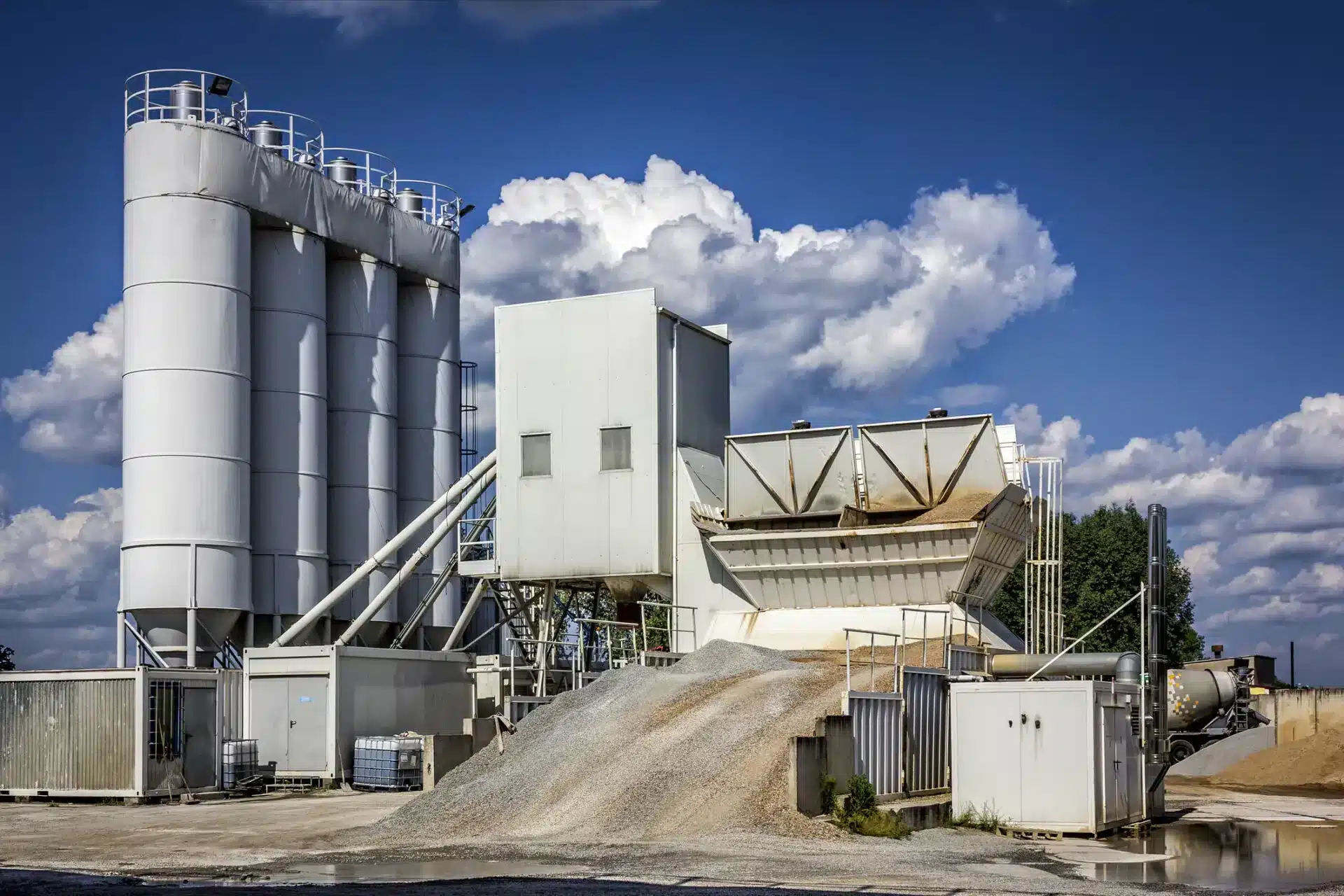
Concrete pumps are not only those large pump trucks on construction sites. In the cement and concrete industry, pumps are used continuously for mixing, cleaning, recycling, and pumping wastewater and slurries. In this article, you will learn where concrete pumps fit into the process, which problems you need to prevent, and which selection criteria help you choose a pump that remains maintainable under harsh conditions.

  • In cement and concrete production, you often pump dirty, abrasive media, sometimes with air. That requires robust hydraulics and smart maintenance.
  • The biggest failure costs usually come from wear, blockages, incorrect material selection, and hard to access installations.
  • Start your selection with the medium (particles, abrasiveness, viscosity), then duty cycle, then the maintenance concept.
  • Self-priming pumps installed above ground often make inspection and maintenance easier.

What is a concrete pump in an industrial context?

A concrete pump is a pumping system that moves concrete related media such as cement slurry, process water with solids, flush water, or recycle streams. In industrial applications, it is less about “placing concrete” and more about reliable process flows for mixing, cleaning, transport, and wastewater treatment.

What are concrete pumps used for in the cement and concrete industry?

In production environments, you typically see these tasks:

  • Mixing and circulating process media (for example slurry or water streams around mixers).
  • Cleaning and flushing installations and pipelines, including water with cement residues and grit.
  • Recycling process water and residual streams so water can be returned to the process.
  • Pumping wastewater to treatment and back into the process.

Why concrete pumps have it tough in this sector

Pumps in cement and concrete often face harsher conditions than “normal water duty”. Typical stress factors include:

  • Abrasive particles and contamination: wear on the impeller, casing, and seals.
  • Variable composition: one batch is thin, the next is thicker or contains more solids.
  • Air in the line: priming and stable flow become more difficult.
  • Downtime is expensive: a pump that is hard to open mainly costs you lost production time.

Which pump types are most common (and when they fit)

1) Self-priming pumps

Useful when you need to handle mixtures or dirty water with air and solids and you want a robust all-round solution. Self-priming helps when the suction line does not always stay filled.

2) Centrifugal pumps (standard)

Strong for continuous flow and often cost efficient for “cleaner” liquids. In cement and concrete processes, this mainly works well if you control abrasiveness and solids, or if you select materials and wear parts accordingly.

Selection criteria: how to prevent rapid wear or blockages

Medium and load profile

  • What exactly are you pumping: cement slurry, flush water, recycle water, or a mix?
  • How much solid content is in it? And how abrasive are those solids?
  • How does viscosity vary over the day?
  • Is there air in the medium or in the suction line?

Hydraulic requirements

  • Required flow rate (m³/h) and head (m).
  • Suction lift and pipe lengths.
  • Pulsation: do you need stable flow, or is “rougher” flow acceptable?

Reliability and maintenance

  • Can you safely install the pump above ground?
  • Can you inspect wear parts quickly?
  • How often do you expect wear maintenance and how long can a stop last?

Material selection and wear parts

  • Casing and impeller material matched to abrasiveness.
  • Sealing concept (mechanical seal, packing, flush options).
  • Availability and replaceability of wear parts.

Tip: if in doubt, let maintenance lead. A pump that is theoretically “perfect” but takes half a day to dismantle will lose in practice.

Why “above ground” and quick inspection often win

In the cement and concrete industry, access is everything. Dry self-priming pumps are often installed above ground. That makes inspection, maintenance, and repairs easier.

A practical detail that pays off is front inspection: you can access the internal components without dismantling pipework or disturbing drive alignment. That saves time and reduces the risk of errors during reinstallation.

Common mistakes with concrete pumps in production environments

  • Selecting only on flow rate and forgetting abrasiveness and maintenance.
  • Underestimating wear and not having procedures and spare parts available.
  • “Hiding” the pump in a location with poor access.
  • Not defining flushing procedures, which often causes build up and blockages.

Frequently Asked Questions – Concrete Pumps

What is the difference between a concrete pump and a cement pump?

In construction, people often mean a pump used to move concrete to the placement point. In industry, it more often refers to cement slurry, flush water, and recycle streams around production and cleaning.

No. Abrasive particles place high demands on pump design, material selection, and wear parts.

If your medium can contain air, if the suction line is not always flooded, or if you want quick start up and above ground maintenance access.

Make flushing procedures concrete, choose sufficient solids handling capability, and avoid dead zones in pipework. Also ensure inspection is fast so you spot build up early.

Accessibility, safety, suction conditions, and an installation that allows maintenance without dismantling half the piping.

Meer weten?

Laat uw naam en e-mailadres achter en u ontvangt de brochure direct in uw inbox.

"*" señala los campos obligatorios

Meer weten?

Laat uw naam en e-mailadres achter en u ontvangt de brochure direct in uw inbox.

"*" señala los campos obligatorios

Do you want to know more?

Leave your name and email address below and receive the brochure directly in your inbox.

"*" señala los campos obligatorios

Do you want to know more?

Leave your name and email address below and receive the brochure directly in your inbox.

"*" señala los campos obligatorios

Do you want to know more?

Leave your name and email address below and receive the brochure directly in your inbox.

"*" señala los campos obligatorios

Do you want to know more?

Leave your name and email address below and receive the brochure directly in your inbox.

"*" señala los campos obligatorios